


Staying healthy during the winter can feel like a constant challenge. As the temperature drops and we spend more time in enclosed spaces, the risk of picking up a seasonal bug naturally increases. Understanding how to navigate these months is the first step toward keeping yourself and your family well.
What Is Winter Illness Prevention?
Winter illness prevention refers to a set of hygiene habits, lifestyle choices, and environmental adjustments designed to reduce the spread of seasonal viruses. By focusing on hand cleanliness, adequate ventilation, and supporting the body’s natural defences, individuals can lower their risk of catching or spreading common infections like the cold or flu during the winter months.
Why Illness Spreads More in Winter
It is a common observation among healthcare professionals that respiratory infections increase significantly as soon as the heating goes on. There are several biological and environmental reasons why we are more susceptible to getting poorly during the colder months.
- Indoor Air and Ventilation: When it is cold outside, we naturally keep windows and doors shut. This lack of fresh air allows viral particles to hang in the air for longer periods, making it easier for them to be inhaled by others in the room.
- Dry Indoor Environments: Central heating reduces the humidity in our homes and offices. This can dry out the protective mucus lining in our noses, which acts as a primary barrier against germs.
- Reduced Sunlight: Lower levels of sunlight in the UK during winter can lead to a drop in Vitamin D. This nutrient is essential for a healthy immune response, and a deficiency may leave the body less prepared to fight off invaders.
- The Immune Response: Some research suggests that our noses are less effective at fighting off viruses when the physical tissue is cold, meaning the virus has a better chance of taking hold.
Everyday Winter Illness Prevention Habits
Adopting simple daily routines is one of the most effective ways to stay healthy. These small actions create a cumulative shield against seasonal germs.
- Wash your hands with soap and warm water for at least 20 seconds throughout the day.
- Use a tissue to cover your mouth and nose every time you cough or sneeze.
- Dispose of used tissues immediately in a bin rather than keeping them in your pocket.
- Avoid touching your eyes, nose, or mouth if your hands are not clean.
- Open windows for a few minutes each day to let fresh air circulate through your home.
- Maintain a consistent sleep schedule to allow your body time to repair and recover.
- Stay hydrated by drinking plenty of water or herbal teas throughout the day.
- Eat a balanced diet rich in fruit and vegetables to provide your body with essential nutrients.
- Keep your main living rooms at a comfortable temperature of at least 18 degrees Celsius.
- Clean shared surfaces like door handles and light switches with a damp cloth and detergent.
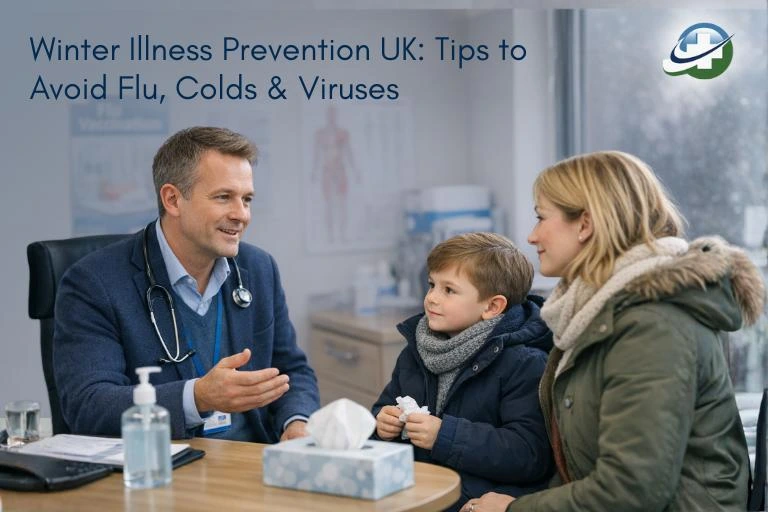
Tips to Avoid Flu at Home, Work and Public Places
Preventing the spread of viruses requires different strategies depending on where you are. Identifying high-risk environments helps you take the right precautions.
Workplace
If you work in an office or shared space, try to keep your workstation clean. Avoid sharing items like pens, mugs, or keyboards where possible. If a colleague is visibly unwell, try to maintain a polite distance and ensure the room is as well-ventilated as the weather permits.
Public Transport
Commuting on busy buses or trains is a common way to pick up a bug. If you use public transport, try to carry a small bottle of hand sanitiser to use after touching handrails or poles. If the carriage is crowded, try to face away from people who are coughing or sneezing.
Home
The home is often where viruses spread between family members. If someone in the house is unwell, try to designate a specific towel for their use only. Regular cleaning of “high-touch” areas like the fridge handle and the television remote can help stop the virus from moving from person to person.
Travel
When travelling for leisure or visiting relatives, be mindful of changing environments. If you are staying in a hotel or a new house, a quick wash of your hands upon arrival is a good habit to get into. If you are travelling by plane, keep the overhead air vent open to maintain a flow of filtered air.
Protecting Children and Older Adults
Some groups are more vulnerable to the effects of winter viruses. Children often pick up illnesses at school, while older adults may find it harder to recover once they become unwell.
For children, monitor their energy levels and fluid intake. If a child becomes unusually lethargic or refuses to drink, it is important to keep a close eye on them. Teach them the “Catch it, Bin it, Kill it” technique early on to help them manage their own hygiene.
For older adults, staying warm is a priority. Being cold can weaken the body’s ability to fight off a chest infection. Monitor for signs of sudden confusion or a significant change in appetite, as these can sometimes be the first indicators of an underlying illness in the elderly.
When to Stay Home and When to Seek Medical Help
Most winter illness prevention can be managed with rest at home. However, knowing when a situation requires professional attention is vital for safety.
High-Risk Groups
Certain individuals should be more cautious and seek advice sooner if they feel unwell:
- People aged 65 and over.
- Pregnant women.
- Those with long-term conditions like asthma, diabetes, or heart disease.
- People with weakened immune systems.
Red Flag Symptoms
You should seek medical help via your GP or NHS 111 if you experience:
- Sudden chest pain or difficulty breathing.
- Coughing up blood.
- A very high temperature that does not come down.
- Symptoms that do not improve after three weeks.
- Signs of dehydration, such as feeling very thirsty or dark yellow urine.
- A rash that does not disappear when a glass is pressed against it.
How a Local Pharmacy Can Help
Community pharmacies provide first point of care advice and are often the most accessible healthcare resource during the busy winter season. Pharmacists are highly trained clinical professionals who can help you distinguish between a minor cold and something that might require a GP appointment.
At Pottery Road Pharmacy, the team can offer guidance on winter illness prevention and help you understand how to manage your symptoms safely at home. They can provide information on how to keep your home healthy and offer support for minor ailments without the need for an appointment. If your symptoms are more concerning, a pharmacist can direct you to the most appropriate NHS service.
FAQs
How can I avoid catching a cold in winter?
To avoid catching a cold, prioritise frequent hand washing and avoid close contact with people who are already unwell. Keeping your home ventilated and maintaining a healthy lifestyle with plenty of sleep and a balanced diet will also help support your body’s natural defences against seasonal viruses.
How long do winter viruses usually last?
Most common winter viruses, such as the standard cold, usually peak within two to three days and clear up within a week or ten days. However, a lingering cough can sometimes last for three weeks. If symptoms persist longer than this, it is advisable to speak with a healthcare professional.
What are the best daily habits for winter health?
The best daily habits include washing your hands as soon as you get home, drinking plenty of fluids, and ensuring you get enough rest. Staying active and eating a variety of fruit and vegetables also plays a significant role in maintaining your overall well-being during the colder months.
How do you protect family if sick?
If you are unwell, stay in a separate room where possible and avoid sharing towels, cups, or cutlery. Clean shared surfaces like door handles frequently and always sneeze into a tissue that is binned immediately. This helps break the chain of infection within the household.
Is it a cold or the flu?
A cold usually develops gradually and mainly affects the nose and throat, causing sneezing or a blocked nose. The flu tends to come on much more quickly and affects the whole body, often leading to a high fever, exhaustion, and aching muscles that make it difficult to carry out daily tasks.
When are winter symptoms considered serious?
Symptoms are considered serious if you experience chest pain, shortness of breath, or sudden confusion. You should also seek urgent medical advice if you have a high fever that stays high or if you are unable to keep fluids down. These “red flag” signs require a professional medical assessment.
How can I support my immunity in winter?
You can support your immunity by eating a nutrient-rich diet, staying physically active, and managing stress levels. Ensuring you have adequate Vitamin D, either through diet or sunlight when available, is also beneficial. Community pharmacies can provide further guidance on lifestyle factors that contribute to a strong immune system.
Conclusion
Taking a proactive approach to winter illness prevention is the best way to ensure you stay healthy and active throughout the season. By implementing simple hygiene habits and being mindful of how viruses spread in public and at home, you can significantly reduce your chances of falling ill.
If you are looking for more personalised tips to avoid flu or want to discuss your family’s winter wellness, the team at Pottery Road Pharmacy is here to help. Feel free to contact us with a member of our healthcare team for professional guidance and support this winter.
