
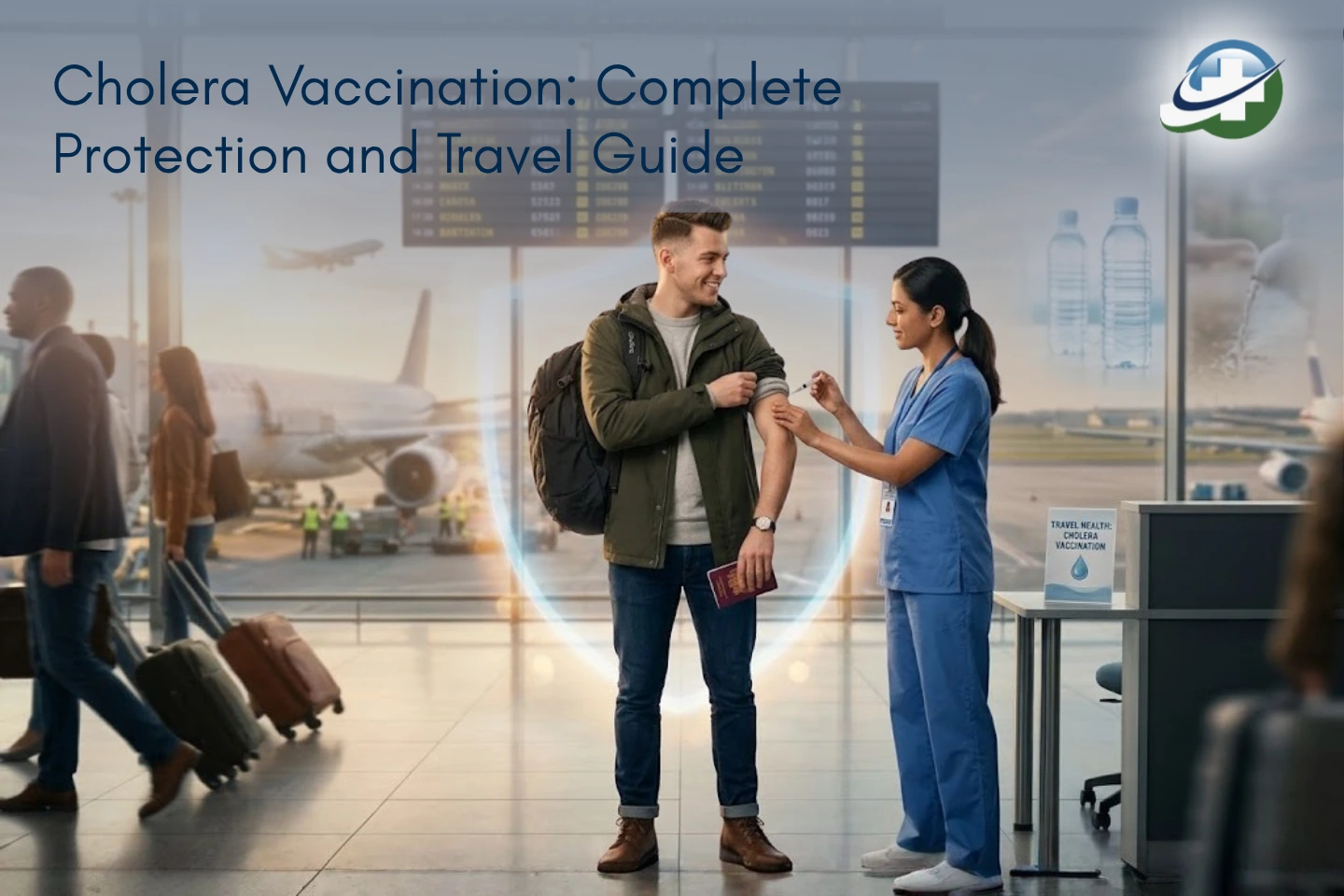
Planning an international adventure is an exhilarating experience. Whether you are trekking through remote landscapes, visiting family overseas, or participating in a humanitarian mission, there is so much to prepare. However, among the packing lists and flight bookings, your health should always remain the top priority. One of the most important considerations for certain global destinations is the cholera vaccination.
For many travellers from the UK, the risk of cholera might seem like a distant concern. While the disease is not found in the United Kingdom, it remains a reality in various parts of the world where clean water and sanitation systems are still developing. Understanding how to protect yourself through a cholera vaccine UK service is a vital step in ensuring your trip is remembered for the right reasons. This guide provides a comprehensive look at how you can stay safe and why vaccination is a cornerstone of healthy travel.
What Is Cholera?
Cholera is an acute infection of the small intestine caused by the ingestion of contaminated food or water. It is caused by a specific type of bacteria that thrives in environments where sewage disposal and water treatment are inadequate. According to the World Health Organization (WHO), cholera remains a global threat to public health and an indicator of inequity.
The disease spreads primarily through the faecal-oral route. This occurs when water sources or food supplies become tainted with the bacteria. Once ingested, the bacteria produce a toxin in the gut that causes the body to release vast amounts of water. This leads to the hallmark symptom of cholera: profuse, watery diarrhoea. While many cases are mild, some can be severe, leading to rapid dehydration. Because the onset of symptoms can be sudden, prevention is far more effective than trying to manage an illness while abroad.
What Is the Cholera Vaccination?
The cholera vaccination is a preventative treatment designed to prime your immune system to recognise and fight off the bacteria before they can cause harm. In the UK, this vaccine is unique because it is not an injection. Instead, it is typically administered as an oral liquid that you drink.
The vaccine works by stimulating the production of antibodies within the digestive tract. By creating this “local immunity” in the gut, your body is much better prepared to neutralise the bacteria if you accidentally consume contaminated water or food. Healthcare professionals often recommend this oral approach because it targets the exact area where the infection begins. It is an effective and non-invasive way to build a strong line of defence before your departure.
Who Should Get the Cholera Vaccine in the UK?
Not every person going abroad will require a cholera vaccination UK consultation. The necessity depends on your specific destination, the length of your stay, and the type of activities you have planned. Generally, the vaccine is recommended for the following groups:
- Travellers to endemic or high-risk areas: If you are visiting a region where cholera is known to be present or where an active outbreak is occurring, vaccination is highly advised.
- Humanitarian and aid workers: People working in refugee camps, disaster relief zones, or areas with poor infrastructure are at a significantly higher risk of exposure.
- Individuals visiting friends and relatives: Those staying in local homes rather than tourist hotels may be more likely to consume local water and food, increasing their risk profile.
- Remote adventurers: If your trip involves camping or trekking in areas where access to safe, bottled water is limited, the vaccine provides an essential safety net.
When and How Is the Vaccination Given?
Preparation is key when it comes to travel health. You should ideally book a consultation with a travel clinic or pharmacy at least six to eight weeks before your trip.
The standard course for adults involves two doses taken one to six weeks apart. To ensure the vaccine is fully effective, you should complete the course at least one week before you enter a high-risk area. Because it is an oral vaccine, there are specific instructions regarding its administration. Usually, you must avoid eating, drinking, or taking other oral medications for about an hour before and after your dose to ensure the vaccine is absorbed correctly.
Once the full course is completed, protection generally lasts for about two years. If you are a frequent traveller to high-risk zones, you may need a booster dose after this period to maintain your immunity levels.
Benefits of Cholera Vaccination
Choosing to get vaccinated offers more than just physical protection. It provides a comprehensive set of benefits for any traveller:
- Protection against severe illness: The primary goal is to prevent the dangerous dehydration associated with the infection.
- Peace of mind: Knowing you have taken proactive steps to protect your health allows you to focus on enjoying your journey without constant worry about every meal.
- Support for public health: By preventing yourself from becoming a carrier of the bacteria, you help reduce the risk of spreading the disease to others, including vulnerable local populations.
- Financial security: Medical emergencies abroad can be incredibly expensive. Vaccination is a cost-effective way to avoid the high costs of international hospitalisation and disrupted travel plans.
Possible Side Effects and Safety
The cholera vaccination is known for having a very strong safety profile. Because it is not an injection, the common “sore arm” associated with travel jabs is not an issue here.
Most people do not experience any side effects at all. However, as with any medical treatment, some mild reactions can occur. These might include a temporary upset stomach, mild nausea, or occasional abdominal cramps. These symptoms are usually very short-lived and resolve without any specific treatment. Serious allergic reactions are extremely rare, making it a suitable option for the vast majority of travellers.
Additional Preventive Measures
While the vaccine is a powerful tool, it should be part of a broader strategy for hygiene. No vaccine offers 100% protection against every possible strain, so it is important to follow the “boil it, cook it, peel it, or forget it” rule.
- Water safety: Drink only bottled water with a sealed lid or water that has been boiled or chemically treated. Avoid ice cubes unless you are certain they were made from purified water.
- Food choices: Eat food that has been thoroughly cooked and is served steaming hot. Avoid raw seafood and salads that might have been washed in untreated tap water.
- Hand hygiene: Regularly wash your hands with soap and clean water, especially before eating. If soap is not available, use an alcohol-based hand sanitiser.
Conclusion
A successful trip is a healthy one. By taking the time to understand the risks of your destination and seeking a cholera vaccination, you are investing in your own well-being and the success of your travels. Preparation is the best way to ensure that your memories are defined by the sights and cultures you experience rather than a preventable illness.
Stay informed, stay protected, and always consult a travel health expert before you fly. Your health is your most valuable travel companion.
FAQ Section
Is cholera vaccination necessary for travel?
While it is rarely a legal requirement for entry, it is highly recommended for those travelling to areas where the disease is common or where sanitation is poor. It is a vital health precaution for high-risk regions.
How long does the cholera vaccine last?
In adults, the protection usually lasts for about two years. After this time, a booster dose is recommended if you are continuing to travel to areas where cholera is present.
Who should receive the cholera vaccination in the UK?
It is primarily recommended for aid workers, healthcare professionals in disaster zones, and travellers visiting remote areas or staying with local families in endemic regions.
Is the cholera vaccine safe?
Yes, the vaccine has a very high safety rating. It is an oral vaccine with few reported side effects, which are generally mild and resolve quickly.
When should I get vaccinated before travelling?
You should start the vaccination process at least six weeks before your departure to ensure you have time to complete the two-dose course and build full immunity.
Can children receive the cholera vaccination?
Yes, the vaccine can be given to children as young as two years old, though the dosing schedule and protection duration may vary depending on the child’s age.
Do I still need to follow hygiene precautions after vaccination?
Absolutely. Even with the vaccine, it is essential to practice safe food and water hygiene, as the vaccine is just one layer of a complete protection strategy.