
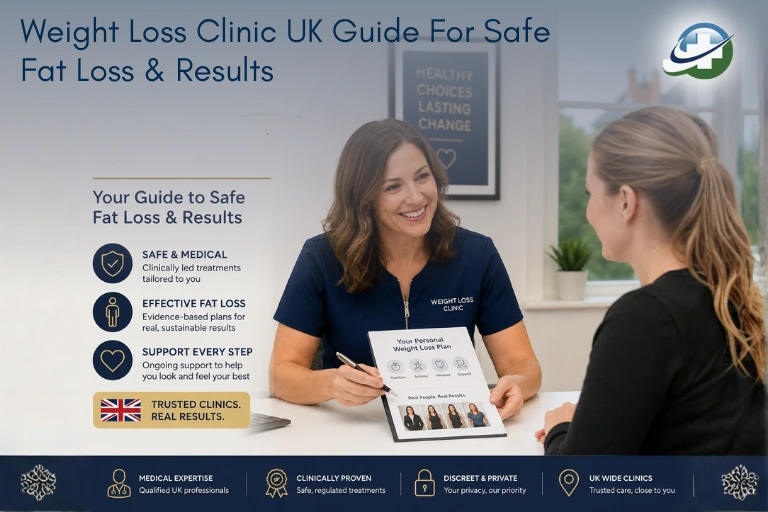
A weight loss clinic in the UK provides medically supervised programs designed to help individuals lose weight safely and sustainably. Clinics offer a range of treatments, including prescription medications, structured diet plans, behavioral support, and surgical options. Choosing a CQC-registered clinic with qualified healthcare professionals is essential for safe outcomes.
What Is a Weight Loss Clinic in the UK?
A weight loss clinic is a medically supervised facility that supports individuals in achieving and maintaining a healthy weight. Unlike commercial slimming clubs or generic online diet plans, a proper weight loss clinic in the UK is staffed by qualified healthcare professionals. These may include doctors, dietitians, psychologists, and specialist nurses who work together to create a personalized plan for each patient.
These clinics are designed for individuals who have struggled with weight through diet and exercise alone, or those whose weight is affecting their health. Conditions commonly linked to excess weight include type 2 diabetes, high blood pressure, sleep apnea, and joint problems. A weight loss clinic takes a clinical approach to address both the physical and psychological aspects of weight management.
NHS vs Private Weight Loss Clinics in the UK
Understanding the difference between NHS and private weight loss services helps you make an informed decision about the right path for your needs.
NHS Weight Loss Services
The NHS offers weight management services through GP referrals. These are typically available to patients who meet certain clinical criteria, such as a BMI above a specified threshold or weight-related health conditions. NHS services may include referrals to community weight management programmes, specialist obesity clinics, and in some cases, surgical pathways such as bariatric surgery.
NHS pathways can involve waiting times, and the level of support available varies by region. However, they are delivered by regulated healthcare professionals.
Private Weight Loss Clinics
Private weight loss clinics in the UK offer faster access to consultations and a broader range of treatments. Patients can typically book an appointment within days rather than waiting weeks or months. Private clinics often provide a more personalised experience, with one-to-one support from a dedicated clinical team.
Private clinics may offer prescription weight loss medications, advanced diagnostic testing, psychological support, and nutritional planning as part of a comprehensive program.
Structured Diet and Nutrition Plans
Most weight loss clinics incorporate personalised dietary guidance as a core part of their programme. A registered dietitian or nutritionist will assess your current eating habits, health conditions, and weight loss goals to create a plan that is both effective and realistic.
These plans are not generic calorie-counting sheets. They consider nutrient balance, food preferences, lifestyle, and any underlying health conditions such as diabetes or thyroid issues. Regular reviews ensure the plan adapts as your progress develops.
Behavioural and Psychological Support
Weight management is not purely physical. Emotional eating, stress, anxiety, and deeply rooted habits all play a significant role in a person’s relationship with food. Many weight loss clinics in the UK now include cognitive behavioural therapy (CBT) or counselling as part of their programmes.
This psychological support helps patients identify triggers for overeating, develop healthier coping strategies, and build a sustainable mindset around food and exercise. For long-term success, addressing the behavioural elements of weight gain is just as important as any medication or diet change.
Medical Weight Loss Programmes
Some clinics offer structured medical programmes that combine very low calorie diets (VLCDs) with close clinical supervision. These programmes are designed for patients with significant amounts of weight to lose and involve regular monitoring of blood pressure, heart rate, electrolytes, and general wellbeing.
These are intensive interventions and are only suitable for individuals assessed as medically appropriate. They should never be attempted without medical supervision.
Bariatric Surgery Referrals
For patients with severe obesity, some weight loss clinics can support the pathway towards bariatric surgery. Procedures such as gastric bypass, gastric sleeve, and gastric band surgery are available in the UK through both NHS and private routes. Clinics typically provide pre-surgical assessments, dietary preparation, and post-operative support to maximise outcomes and minimise risks.
How to Choose a Safe Weight Loss Clinic in the UK
With so many options available, knowing how to identify a trustworthy and effective clinic is essential.
Look for a personalized assessment.
A good weight loss clinic will never offer a one-size-fits-all approach. Your first appointment should include a thorough health assessment covering your medical history, current medications, lifestyle, mental health, and weight history. Any clinic that skips this process and moves straight to prescribing or selling products is not operating to an appropriate standard.
Read Reviews and Patient Feedback
Genuine patient reviews on independent platforms give valuable insight into the quality of care at a clinic. Look for feedback about communication, clinical outcomes, follow-up support, and how complaints were handled. Be cautious of clinics with only a small number of overly positive reviews.
Transparent Communication
A trustworthy clinic will explain your treatment options clearly, outline the benefits and risks of each approach, and never pressure you into committing to a programme. You should always feel comfortable asking questions and taking time to make your decision.
BMI and Eligibility for UK Weight Loss Clinics
Body Mass Index (BMI) is one of the primary tools used to assess eligibility for weight loss treatments in the UK, though it is not the only factor considered.
For NHS weight management referrals, NICE guidelines typically recommend that adults with a BMI of 30 or above, or 27.5 and above for some ethnic groups, may benefit from clinical intervention. For weight loss medications such as semaglutide, eligibility criteria set by the MHRA include a BMI of 30 or above alongside at least one weight-related health condition, or a BMI of 35 or above without additional conditions.
Private clinics may assess patients with a lower BMI if there are clear health motivations or if weight is causing documented medical or psychological impact. A thorough clinical assessment will always take into account waist circumference, metabolic health markers, blood tests, and lifestyle factors alongside BMI.
It is worth noting that BMI is an imperfect measure, particularly for individuals with high muscle mass or different body compositions. A qualified clinician at a reputable weight loss clinic will consider the full picture rather than relying on BMI alone.
What to Expect at Your First Weight Loss Clinic Appointment
Many people feel nervous about attending a weight loss clinic for the first time. Knowing what to expect can help ease any anxiety and ensure you get the most from your visit.
Your first consultation will typically begin with a detailed discussion of your health history. The clinician will ask about past weight loss attempts, any underlying medical conditions, current medications, family history, and your goals. This is a confidential conversation and it is important to be as honest and thorough as possible.
Following this, you may have a physical examination including measurements of your weight, height, waist circumference, and blood pressure. Blood tests may also be arranged to check cholesterol, blood sugar, thyroid function, and other relevant markers.
Based on this assessment, your clinical team will recommend a treatment approach. You are not obligated to begin any programme at this first visit. A good clinic will give you time to consider your options and answer any questions you have before you commit.
If a treatment plan is agreed, you will usually receive written information about your programme, including what is expected of you and how your progress will be monitored. Follow-up appointments are a standard part of any reputable weight loss programme and are an opportunity to review your progress, adjust your plan, and address any concerns.
Real Patient Results and What Is Realistic to Expect
It is natural to want to know how much weight you might lose through a clinical programme. While individual results vary significantly based on starting weight, treatment chosen, adherence to the programme, and underlying health conditions, clinical weight loss programmes consistently outperform unsupported dieting.
Studies published in the New England Journal of Medicine on semaglutide, for example, demonstrated that participants lost a meaningful percentage of their body weight over the course of a year when combining medication with lifestyle changes. Bariatric surgery has even more significant long-term outcomes for those who meet eligibility criteria.
However, the most important expectation to set is that sustainable weight loss takes time. Safe, medically supervised fat loss typically aims for a gradual and steady reduction rather than rapid drops that can be harmful to muscle mass, nutritional status, and metabolic health. Your clinical team will set realistic targets that are appropriate for your individual situation.
Long-term success also depends on the support you receive after reaching your initial goal. The best weight loss clinics in the UK offer ongoing maintenance programmes to help patients sustain their results and prevent relapse.
Weight Loss Medications Approved in the UK (2024 to 2025)
The landscape of weight loss medication in the UK has changed significantly in recent years. Several new treatments have received MHRA approval and are now available through registered clinics.
Semaglutide, marketed as Wegovy for weight management and Ozempic for type 2 diabetes, is a GLP-1 receptor agonist that reduces appetite and promotes a feeling of fullness. It is administered as a weekly injection and has been shown in multiple clinical trials to produce substantial weight loss when combined with dietary and lifestyle changes.
Tirzepatide, sold under the brand name Mounjaro, is a dual GIP and GLP-1 receptor agonist that was approved in the UK in 2023 for type 2 diabetes and is increasingly being prescribed by weight loss clinics for weight management. Clinical evidence suggests it may produce even greater weight loss than semaglutide in some patients.
Orlistat, available as both a prescription and lower-dose over-the-counter option, works by reducing the absorption of dietary fat. It has been available for longer and is a well-established option for appropriate patients.
Any clinic prescribing these medications should conduct a full clinical assessment beforehand, provide detailed guidance on how to use them, and monitor for side effects throughout the course of treatment. Self-prescribing or obtaining these medications without medical oversight carries serious health risks.
Frequently Asked Questions About Weight Loss Clinics in the UK
What is the difference between a weight loss clinic and a slimming club?
A weight loss clinic is medically supervised and staffed by qualified healthcare professionals who can prescribe treatments and carry out clinical assessments. A slimming club such as Weight Watchers or Slimming World offers group-based dietary support but does not provide medical treatment or clinical oversight.
Are weight loss injections safe?
When prescribed by a registered medical professional following a thorough assessment, approved weight loss injections such as semaglutide and tirzepatide have a well-established safety profile. Like all medications, they carry potential side effects, which your clinical team will discuss with you before you begin treatment.
How long does a weight loss program typically last?
Program length varies depending on your goals and the treatments involved. Some patients achieve their targets within a few months, while others benefit from longer-term support. Medication-based programs are often continued for a year or more, with ongoing monitoring throughout.
Can weight loss clinics help with obesity-related health conditions?
Yes. Many patients see improvements in conditions such as type 2 diabetes, high blood pressure, and joint pain as a result of clinically supervised weight loss. Your clinical team will monitor these conditions as part of your program and liaise with your GP where appropriate.
Conclusion
Finding the right weight loss clinic in the UK is an important step towards improving your health and quality of life. The best clinics combine clinical expertise with genuine patient-centered care, offering evidence-based treatments, psychological support, and ongoing monitoring to help you achieve lasting results.
When choosing a clinic, always verify their regulatory status, check the qualifications of the clinical team, and ensure the approach is tailored to your individual needs. Avoid any provider that promises rapid results without proper assessment, or that prescribes medications without a thorough face-to-face or detailed clinical consultation.